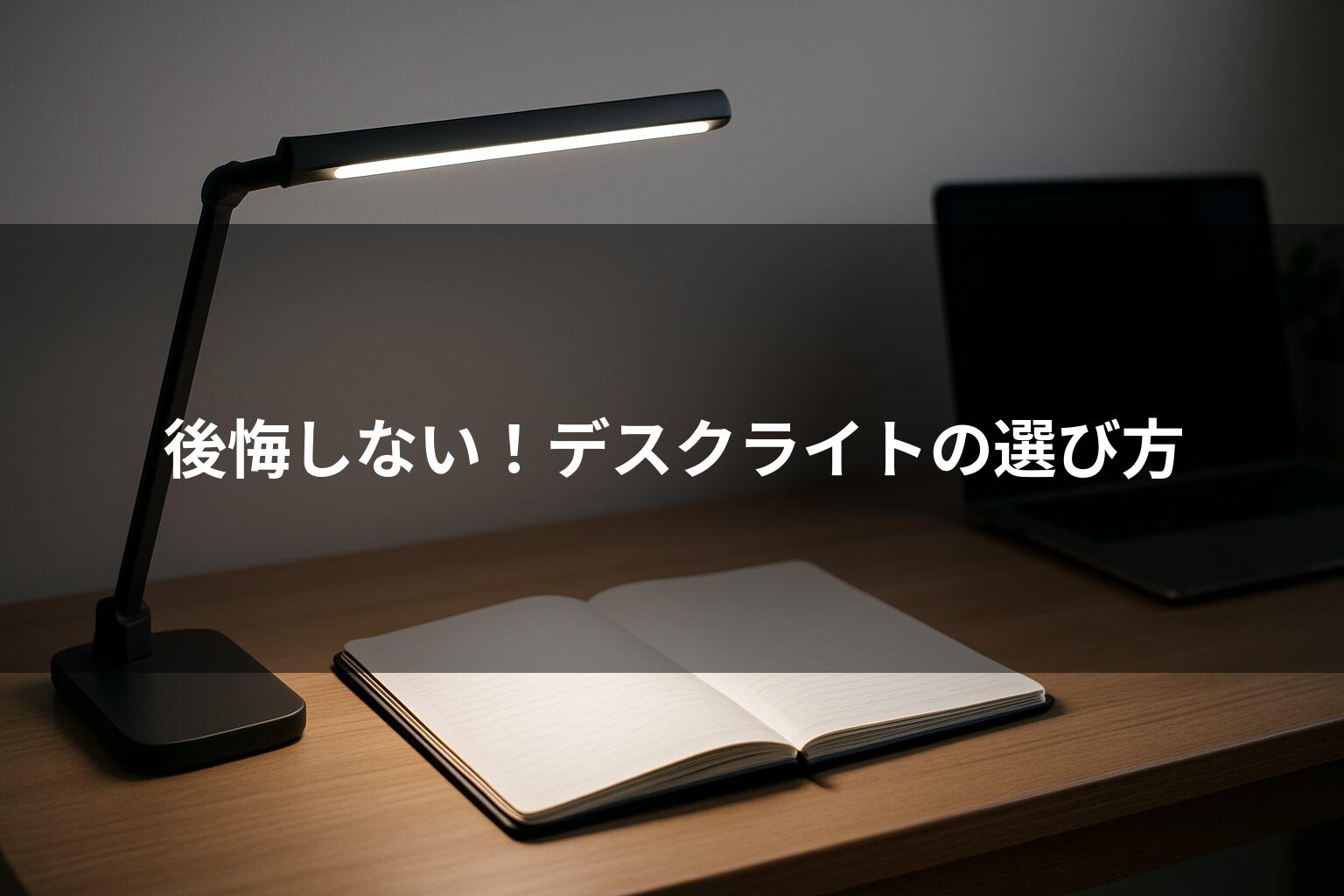
Choosing a desk light directly impacts eye health and work efficiency.
In this article, to help you find the best one for yourself from among many products, we will explain in detail everything from the basics of selection—such as types of desk lights, brightness (illuminance), light color (color temperature), and color reproducibility (color rendering)—to points specific to each application.
Ms.ガジェット
My eyes get very tired when I work for a long time. Can a desk light help improve this?
Mr.ガジェット
Yes, by choosing eye-friendly light, you can reduce fatigue and create a comfortable work environment.
Author of this article: “Mr. Gadget”
Studied under Masatoshi Ono, a million-selling singer who has performed on Kohaku
Experience supervising for Ameba Choice and the web media Picky’s
Individual member of the Public Relations Marketing Association
Nice to meet you!
目次
To Avoid Regret When Choosing a Desk Light
Benefits of Eye-Friendly Light
For modern people who spend long hours at a desk, the quality of light is directly linked to their physical condition.
Reduction of Eye Strain: By suppressing uneven brightness and flickering, the burden on the eye muscles (ciliary muscles) is reduced.
Maintaining Concentration: Selecting a color temperature that helps wake up the brain improves work efficiency.
Prevention of Physical Ailments: Proper lighting also leads to the prevention of shoulder stiffness and headaches caused by eye fatigue.
Particularly in computer work, it is most important to reduce the “difference between the brightness of the monitor screen and the surrounding brightness.” If this difference (contrast) is large, the pupils must adjust frequently, which accelerates fatigue.
Ms.ガジェット
My eyes get very tired when I work for a long time. Can a desk light help improve this?
Mr.ガジェット
Yes, by choosing eye-friendly light, you can expect to reduce fatigue and create a comfortable work environment.
Types and Characteristics of Desk Lights You Should Know
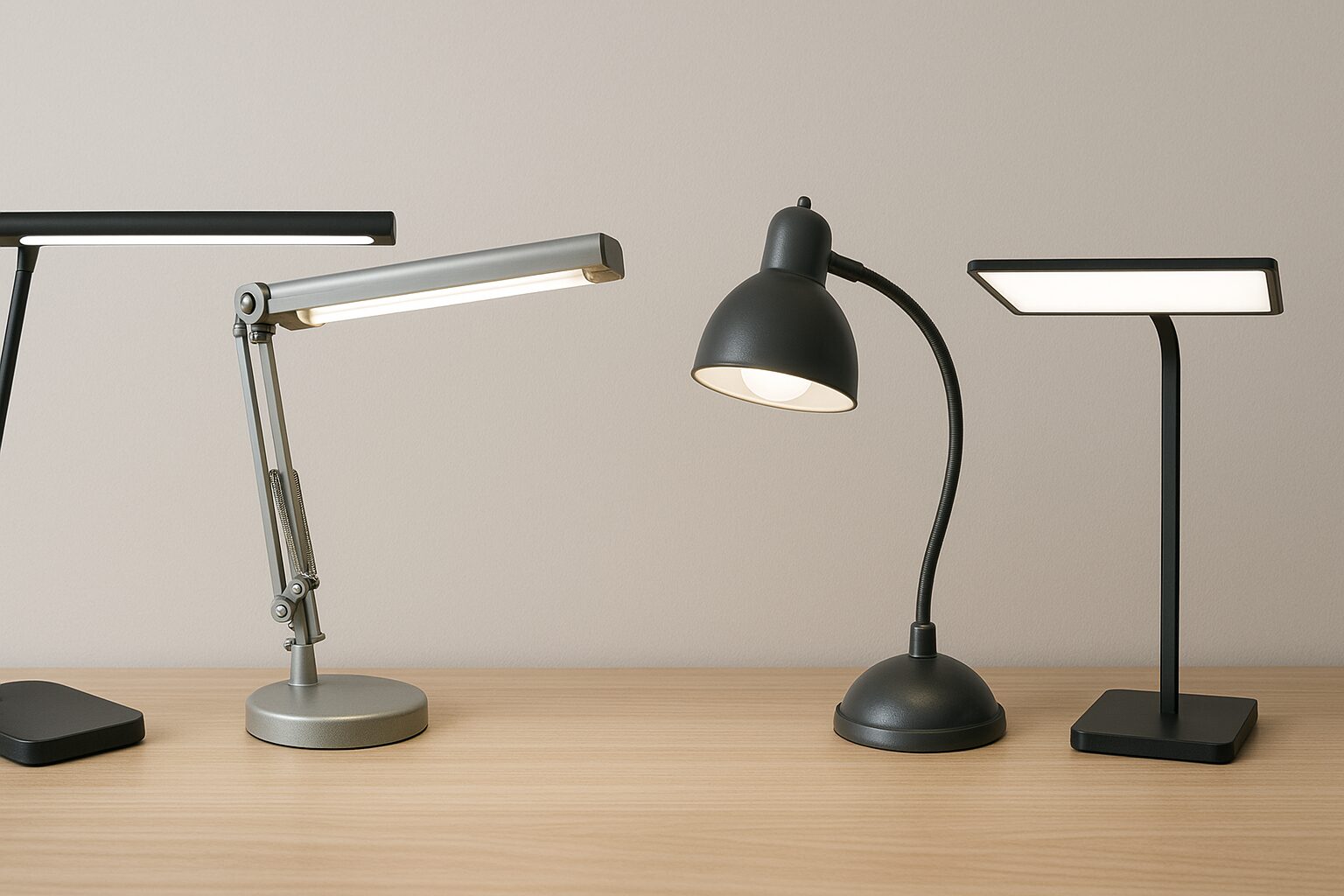
The first thing to keep in mind when choosing a desk light is the type of light source. The quality of brightness, power consumption, and price vary greatly depending on the light source.
Main light sources include LED, Fluorescent, and Incandescent, and in recent years, new types such as Organic EL have also appeared. It is important to understand the characteristics of each and compare them.
Light Source Type
Lifespan (Guideline)
Color Rendering (Ra)
Recommendation Level as of 2026
Remarks
LED
Approx. 40,000 hours
80〜97
★★★★★
The current mainstream. Energy-saving & multi-functional.
Organic EL
Approx. 30,000 hours
90〜100
★★★★☆
Next-gen light source. Surface emission is extremely gentle on the eyes.
Fluorescent
Approx. 10,000 hours
70〜90
★☆☆☆☆
Banned from manufacturing/import/export at the end of 2027.
Incandescent
Approx. 1,000 hours
100
★★☆☆☆
Nice atmosphere, but heat and electricity costs are drawbacks.
Choosing the optimal light source according to your purpose, budget, and desired light quality is the first step toward setting up a comfortable desk environment.
Characteristics of LED Desk Lights
The currently mainstream light source is the LED (Light Emitting Diode).
Its greatest feature is its long lifespan and energy efficiency, said to last about 40 times longer than incandescent bulbs and 4 times longer than fluorescent lights. Since it consumes less power, it leads to savings on electricity bills. The fact that many products are equipped with a “dimming function” to adjust brightness and a “color tuning function” to change the light’s color tone is also attractive.
Pros
Cons
Long lifespan (approx. 25x incandescent, 4x fluorescent) Energy-saving to reduce electricity costs Multifunctional: dimming, color tuning, timers, USB ports, etc. Allows for small and lightweight designs
Higher initial cost Multiple shadows can occur depending on the product Flickering may occur in some cases Light that is too strong can strain the eyes
Ms.ガジェット
I heard that LEDs are not good for the eyes; is that true?
Mr.ガジェット
In some inexpensive products, flickering or multiple shadows (where several shadows are created) can be noticeable. However, since many recent products have implemented countermeasures, you can feel safe if you choose one based on standards like JIS AA-class equivalent.
While the initial cost tends to be higher than other light sources, considering the running costs and functionality, it is the most balanced choice for most people.
Characteristics of Fluorescent Desk Lights
Fluorescent lights were once the mainstream light source for desk lights.
They work by striking fluorescent paint with ultraviolet rays generated by electrical discharge within a glass tube, and they are good at illuminating a wide range uniformly and brightly. Before LEDs became widespread, they were commonly used in offices and for study desks.
Pros
Cons
Can illuminate a wide range uniformly Relatively low price Many people find it gentle on the eyes
Many products lack dimming and color tuning functions Higher power consumption than LEDs Frequent turning on and off shortens lifespan Manufacturing/import/export of fluorescent lights banned by 2027
Important: Regarding the 2027 Phase-out of Fluorescent Lights
Based on the Minamata Convention (COP5), the manufacturing, import, and export of fluorescent lamps for general lighting will be completely banned by the end of 2027. Since replacement lamps will become difficult to obtain when they burn out in the future, we recommend “LEDs” if you are purchasing now.
Mr.ガジェット
The manufacturing and trade of fluorescent lights will be banned by the end of 2027, so let’s switch!
Ms.ガジェット
Oh, so fluorescent lights are going to disappear…
Characteristics of Incandescent Desk Lights
Incandescent lights (incandescent bulbs) are a traditional light source that produces light by heating a thin metal wire called a filament to a high temperature.
They are characterized by a warm orange light, and their high color rendering (color reproducibility) is a major benefit. They are often used in stylish desk lights with a high sense of design.
Pros
Cons
Warm orange-colored light High color rendering (natural color reproduction) Low bulb price Many products with high design appeal
Very high power consumption Generates a lot of heat, risk of burns Short lifespan (approx. 1,000–2,000 hours) Production scaling back due to environmental concerns
On the other hand, they have poor energy efficiency, as most of the power consumed turns into heat, resulting in high electricity bills. The lifespan is also significantly shorter than LEDs or fluorescent lights, at only about 1,000 to 2,000 hours. From an environmental perspective, production and sales are being scaled back worldwide.
Mr.ガジェット
I dislike incandescent lights because they really use a lot of electricity.
Other Types of Desk Lights (Organic EL, etc.)
In recent years, desk lights using new technologies besides LEDs, fluorescent, and incandescent lights have appeared. A prime example is the Organic EL (OLED: Organic Light Emitting Diode).
Organic EL is a light source that utilizes organic compound layers that emit light when a voltage is applied; its greatest feature is that the entire surface emits light uniformly. Because of this, it is less likely to create multiple shadows and is considered a very eye-friendly light. It is also said to emit less blue light.
Pros
Cons
Surface emission makes light soft and uniform Hard to create shadows, gentle on the eyes Allows for ultra-thin and lightweight designs
Still few products available High price Limited choices
Ms.ガジェット
I haven’t heard much about Organic EL yet; what kind of characteristics does it have?
Mr.ガジェット
Since it emits light from a surface, it is less likely to create shadows compared to point sources like LEDs, making it very gentle on the eyes. It also has the advantage of allowing for thin and light designs.
While the product lineup is still limited and the prices tend to be high, it is a next-generation light source expected to become more popular in the future due to its excellent properties.
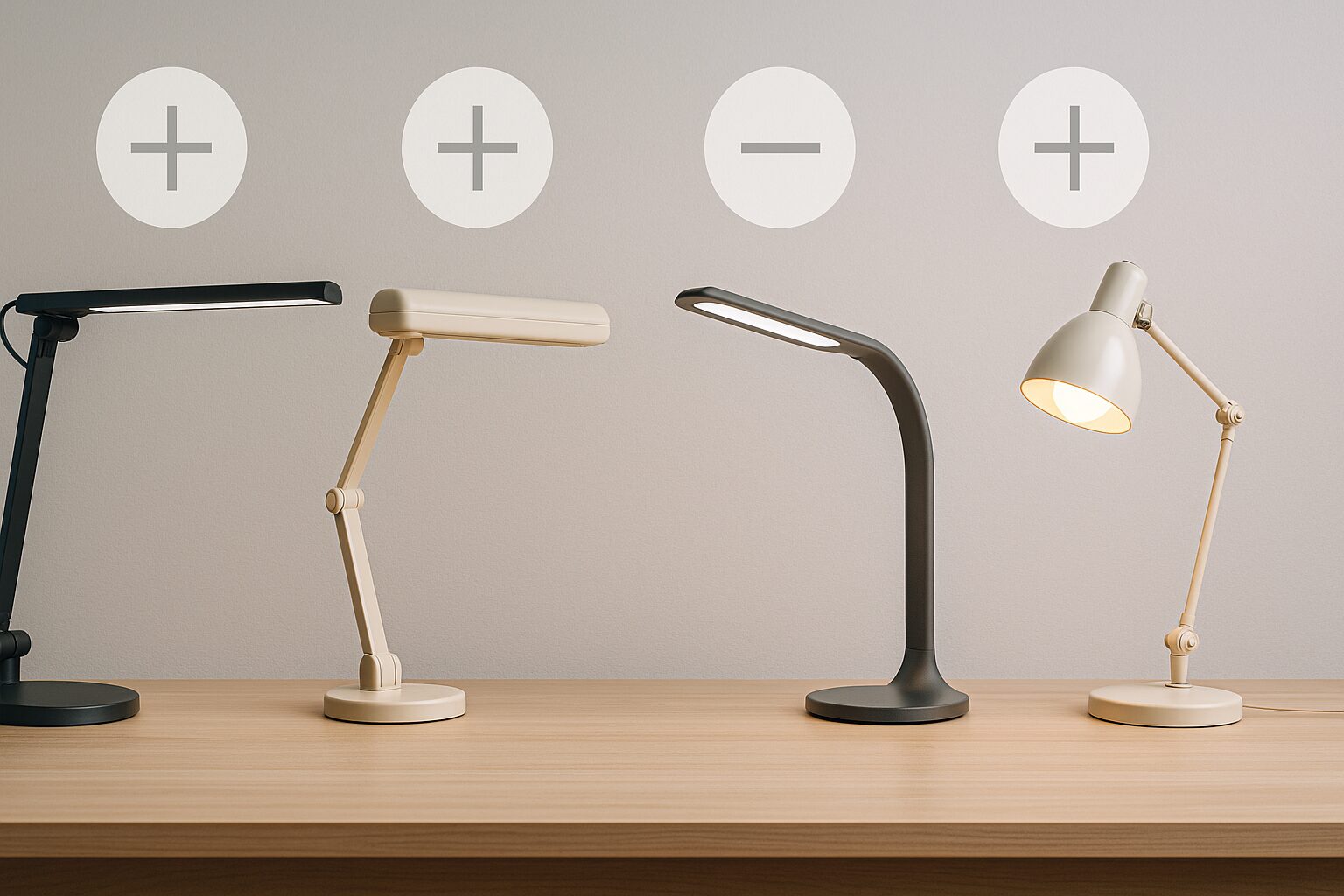
Comparison of Pros and Cons for Each Type
Each light source we’ve looked at has its own pros and cons. The important thing is not which light source is the best, but to choose the one that fits your usage.
(function() {
// Data Source: Defined with single quotes
var lightSpecs = {
led: {
n: ‘LED (Light Emitting Diode)’,
s: ‘The definitive version for energy saving, long life, and versatility.’,
l: 40000,
st: ‘★★★★★’,
rec: ‘Recommended: Best’,
vi: ‘Equivalent to 40 incandescent bulbs’,
p: [‘Electricity costs are overwhelmingly low’, ‘Super long life of 40,000 hours (approx. 10 years)’, ‘Dimming and color tuning are completely flexible’],
c: [‘Inexpensive products are prone to multiple shadows’, ‘Light can feel sharp and glaring’],
e: ‘Choosing JIS AA-class equivalent minimizes multiple shadows and is ideal for study and work.’,
cl: ‘#3b82f6’
},
oled: {
n: ‘Organic EL (OLED)’,
s: ‘Achieves ultimate eye-friendliness with surface emission.’,
l: 30000,
st: ‘★★★★☆’,
rec: ‘Recommended: Very High’,
vi: ‘Equivalent to 30 incandescent bulbs’,
p: [‘No multiple shadows at all’, ‘Low blue light and low irritation’, ‘Ultra-thin and sophisticated design’],
c: [‘High initial cost’, ‘Still few product choices available’],
e: ‘The most recommended next-generation light source for those who read or do detailed work for long hours.’,
cl: ‘#6366f1’
},
fluo: {
n: ‘Fluorescent’,
s: ‘Manufacturing/trade ends by late 2027.’,
l: 10000,
st: ‘★☆☆☆☆’,
rec: ‘Decision: Replacement Recommended’,
vi: ‘Equivalent to 10 incandescent bulbs’,
p: [‘Can illuminate a wide range uniformly’, ‘Bulb price itself is low’],
c: [‘Manufacturing ban decided for late 2027’, ‘Many non-dimmable products’, ‘Contains mercury and has environmental impact’],
e: ‘Obtaining replacement lamps will be difficult after 2027. If choosing now, definitely go with LED.’,
cl: ‘#d97706’,
alert: true
},
inc: {
n: ‘Incandescent (Bulb)’,
s: ‘Unique for nostalgic atmosphere.’,
l: 1000,
st: ‘★★☆☆☆’,
rec: ‘Decision: Limited to Atmosphere Use’,
vi: ‘Standard point for lifespan’,
p: [‘Colors look most beautiful (Color rendering)’, ‘Warm orange light’, ‘High design versatility in fixtures’],
c: [‘Electricity costs are very high’, ‘Gets hot in summer and has short life’],
e: ‘Ideal for places where atmosphere is emphasized over practicality, such as bedrooms or restaurants.’,
cl: ‘#f97316’
}
};
// Surgical injection: Data injection and list generation
window.ltProtocolAction = function(id) {
var d = lightSpecs[id];
if (!d) return;
// 1. Tab update
var tabIds = [‘led’, ‘oled’, ‘fluo’, ‘inc’];
for (var i = 0; i < tabIds.length; i++) {
var btn = document.getElementById('lt-tab-' + tabIds[i]);
if (btn) {
if (tabIds[i] === id) btn.classList.add('is-active');
else btn.classList.remove('is-active');
}
}
// 2. Data injection (textContent only)
var panel = document.getElementById('lt-js-panel');
document.getElementById('lt-js-badge').style.backgroundColor = d.cl;
document.getElementById('lt-js-summary').textContent = d.s;
document.getElementById('lt-js-summary').style.color = d.cl;
document.getElementById('lt-js-title').textContent = d.n;
document.getElementById('lt-js-stars').textContent = d.st;
document.getElementById('lt-js-rec').textContent = d.rec;
document.getElementById('lt-js-life-val').textContent = d.l.toLocaleString();
document.getElementById('lt-js-vs-info').textContent = d.vi;
document.getElementById('lt-js-vs-info').style.color = d.cl;
document.getElementById('lt-js-advice-main').textContent = d.e;
// 3. Gauge calculation (Logarithmic scale)
var bar = document.getElementById('lt-js-bar');
var percent = (Math.log10(d.l + 1) / Math.log10(40001)) * 100;
bar.style.width = percent + '%';
bar.style.backgroundColor = d.cl;
// 4. Surgical list generation (safely building without innerHTML)
var renderList = function(targetId, listArr, dotChar, dotColor) {
var listEl = document.getElementById(targetId);
listEl.textContent = ''; // Safe clearing
for (var j = 0; j < listArr.length; j++) {
var li = document.createElement('li');
li.className = 'lt-li';
var dot = document.createElement('span');
dot.className = 'lt-dot';
dot.style.color = dotColor;
dot.textContent = dotChar;
var txt = document.createElement('span');
txt.textContent = listArr[j];
li.appendChild(dot);
li.appendChild(txt);
listEl.appendChild(li);
}
};
renderList('lt-js-pros-list', d.p, '✔', '#22c55e');
renderList('lt-js-cons-list', d.c, '×', '#ef4444');
// 5. Advice BOX coloring
var adviceWell = document.getElementById('lt-js-advice-well');
adviceWell.style.backgroundColor = d.alert ? '#d97706' : '#1e293b';
// 6. Display toggle and animation
panel.style.display = 'block';
panel.classList.remove('lt-animate');
void panel.offsetWidth;
panel.classList.add('lt-animate');
};
// Initialization after survival check
setTimeout(function() {
ltProtocolAction('led');
}, 150);
})();
How to Choose to Create a Comfortable Work Environment
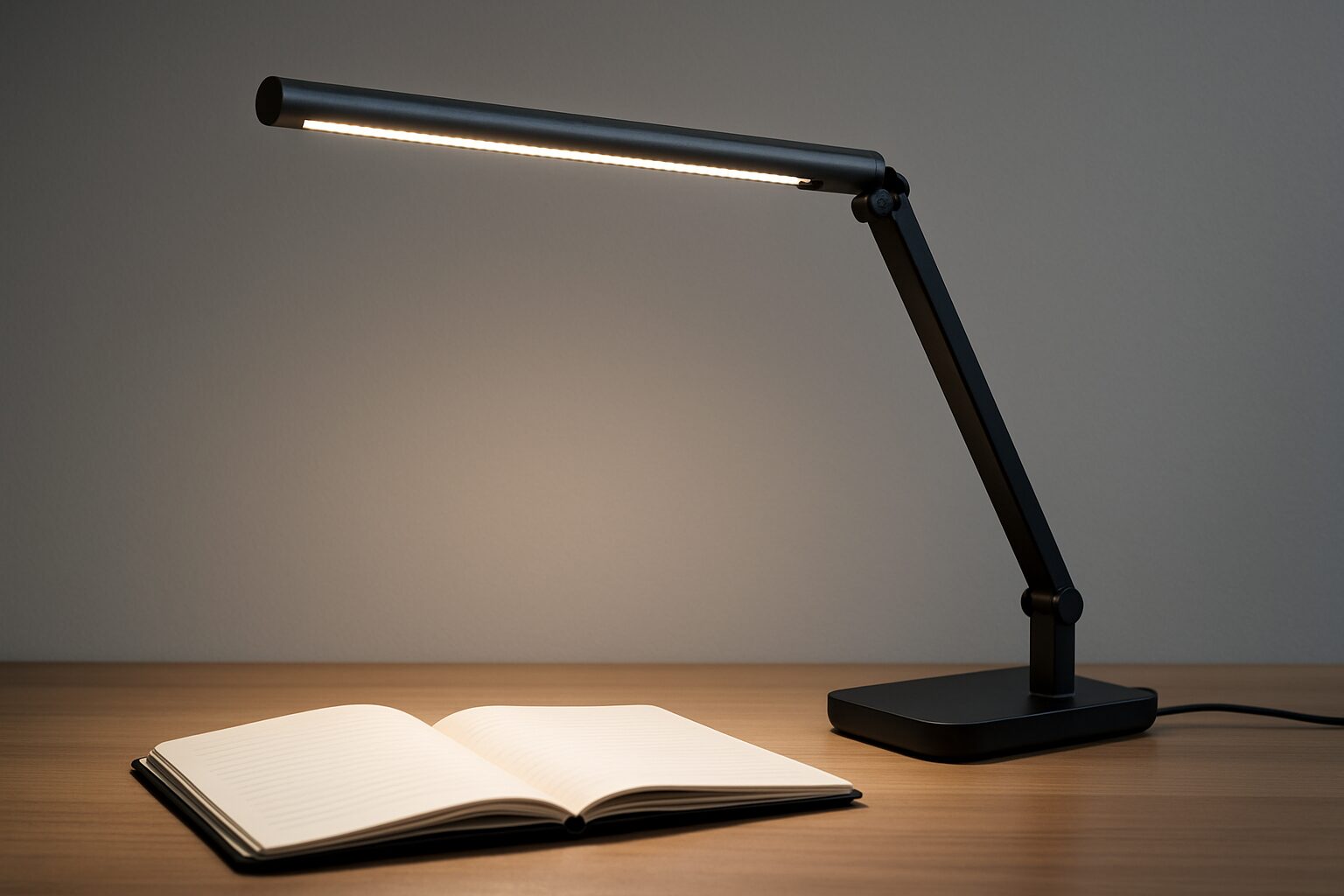
The most important part of choosing a desk light is selecting light that fits your purpose and environment. Since the quality of light directly affects eye fatigue and concentration, choose carefully. Here, we will explain in detail the points for choosing to create a comfortable work environment, from lighting performance such as brightness, color temperature, and color rendering, to convenient features, design, and placement. A comprehensive comparison and study of these elements should help you find the best unit for you.
Choosing Brightness: Appropriate Illuminance for the Task
The first thing to check when choosing a desk light is the “brightness.” Brightness is mainly indicated by the unit illuminance (lx: lux), which represents how brightly a specific area on the desk can be lit. The required brightness varies depending on the task.
For general studying or reading, about 500 to 1,000 lux is recommended. For detailed work, such as handicrafts or sewing, choosing a brighter light of 1,000 lux or more makes it easier to see what you are doing. Furthermore, the range that can be illuminated is as important as the brightness itself. Under JIS standards, illumination ranges are defined, and “AA-type” can illuminate a wider range more uniformly than “A-type”, so it is recommended for situations where you want to light a large space like a study desk. Having a dimming function is convenient because you can set the optimal brightness according to the task and time of day.
Ms.ガジェット
What level of brightness is gentle on the eyes?
Mr.ガジェット
The key to being eye-friendly is being neither too bright nor too dark, and being adjustable according to the task.
By choosing the appropriate brightness, you can reduce the burden on your eyes and achieve a comfortable work environment.
Choosing Color Temperature: Concentration and Relaxation Effects
Color temperature (K: Kelvin) represents the hue of the light. The atmosphere of the space and the psychological state of the person vary depending on the color temperature.
The lower the color temperature, the more it becomes warm-toned light (orange-ish), and the higher it is, the more it becomes cool-toned light (bluish-white). For studying or work where you want to concentrate, neutral white (approx. 5,000K) or cool white (approx. 6,500K), which is said to have a brain-awakening effect, is suitable. On the other hand, for reading or time before bed when you want to relax, warm white (approx. 3,000K) is recommended. If you choose a desk light with a color tuning function that allows you to adjust the light color to match the scene, you can create the optimal lighting environment according to your activities.
Color Temp. Range
Light Color
Main Effects and Usage Examples
Low (〜3300K)
Bulb Color
Relaxation effect, bedroom, living room
Mid (3300K〜5300K)
Warm White / Neutral White
Natural color, living room, dining room, studying
High (5300K〜)
Daylight White
Improved concentration, office, study room, studying
By choosing the light color based on the time of day and purpose, you will be able to spend your time more comfortably and efficiently.
The Importance of Color Rendering: Reproducing Natural Colors
Color rendering (Ra) is an index indicating how close the lighting shows the color of an object compared to natural light. With the appearance of colors under sunlight as the standard (Ra100), a higher numerical value means higher color reproducibility.
For tasks where color accuracy is required, such as design, illustration production, or skin tone in online meetings, it is very important to choose a desk light with high color rendering. Generally, Ra80 or higher is sufficient for daily life and many tasks, but we recommend choosing a product with Ra90 or higher for work where color identification is crucial. Under lights with low color rendering, object colors may look unnatural or dull, which can potentially affect work quality and eye fatigue.
Ms.ガジェット
How much color rendering should it have?
Mr.ガジェット
Aim for Ra80 or higher for general tasks, and Ra90 or higher if color accuracy is required.
When choosing a desk light, focusing on this color rendering in addition to brightness and color temperature will provide a higher quality light environment.
Other Features: Dimming/Color Tuning, USB Ports, Timers, etc.
In addition to basic lighting functions, some desk lights have various additional functions that improve work efficiency and convenience. Check if the functions you need are included based on how you use them.
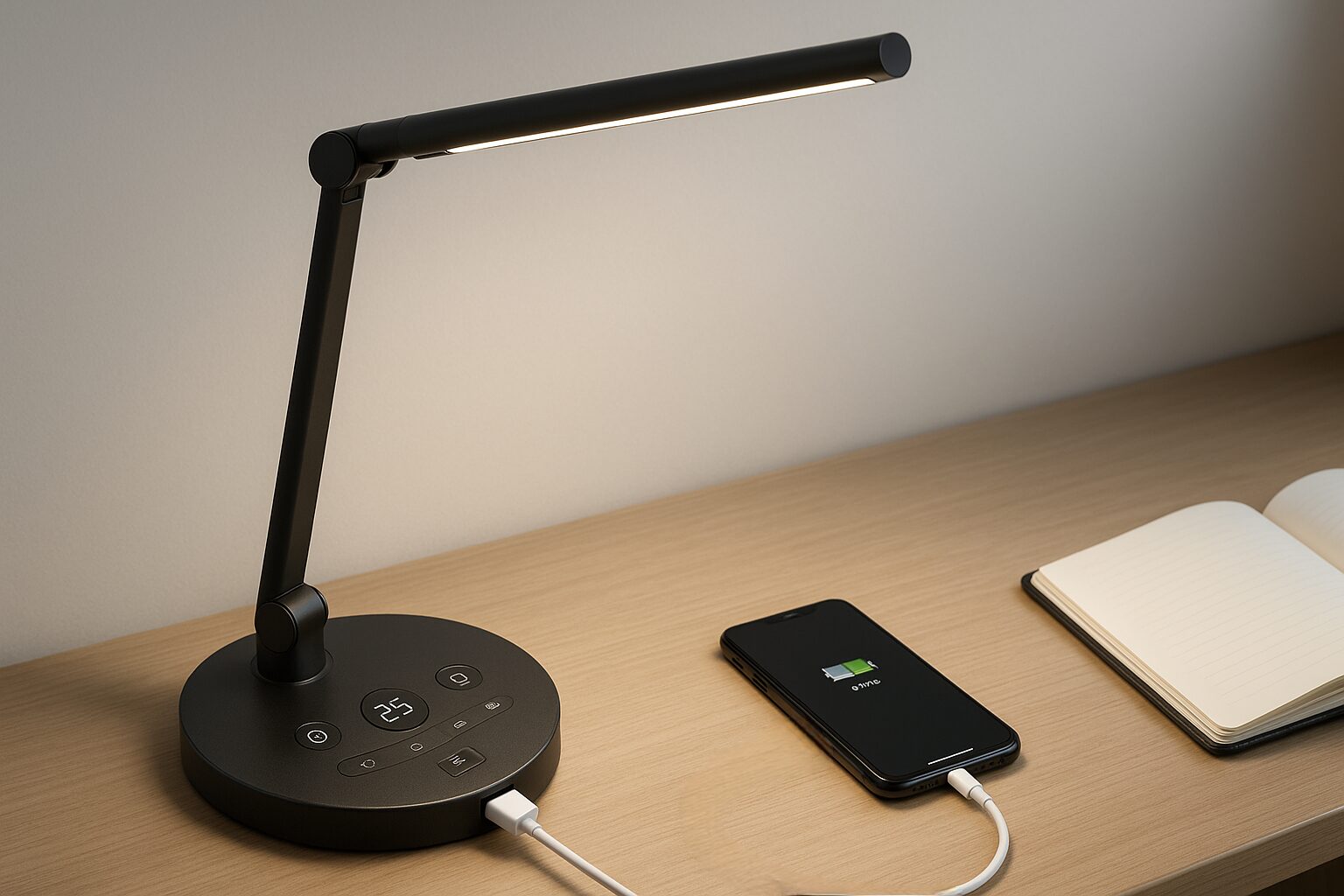
As mentioned earlier, dimming functions (brightness adjustment) and color tuning functions (color temperature adjustment) are extremely convenient because they allow you to create the optimal light environment for the time of day and task. Additionally, models with USB ports for charging smartphones, timer functions that automatically turn off the light at a set time, and touchless sensors that let you turn the light on/off without using your hands are also popular. There are also multi-functional products with wireless charging support, pen holders, clocks, and calendar functions integrated.
Function
Benefits
Dimming Function
Brightness can be adjusted steplessly or in stages
Color Tuning Function
Light color (color temperature) can be changed according to use
USB Port
Can charge smartphones, etc., on the desk
Timer Function
Prevents forgetting to turn off, convenient for reading before bed
Touchless Sensor
Operable even if hands are dirty; hygienic
Wireless Charging
Can charge compatible smartphones just by placing them
By utilizing these functions, you can keep the area around your desk cleaner and achieve a comfortable workspace.
Design and Placement: Harmony with Interior Decor
A desk light is not just practical; it also has an aspect as an interior element that colors the space. Because there are products with various designs, there is also the fun of choosing one that matches the atmosphere of the room or the style of the area around your desk.
The installation method is also an important choice. There are mainly three types: “Stand type,” “Clamp type,” and “Clip type.”
Installation Method
Pros
Cons
Stand Type
Easy to install and move Abundant design variations
Takes up space on the desk
Clamp Type
Allows effective use of desk space Can be fixed firmly with high stability
Limits on compatible desk tops Installation and moving are somewhat troublesome
Clip Type
High degree of freedom in installation Can be used in small spaces
Slight concerns about stability Limits on the thickness it can clip onto
Pros and cons of each installation method
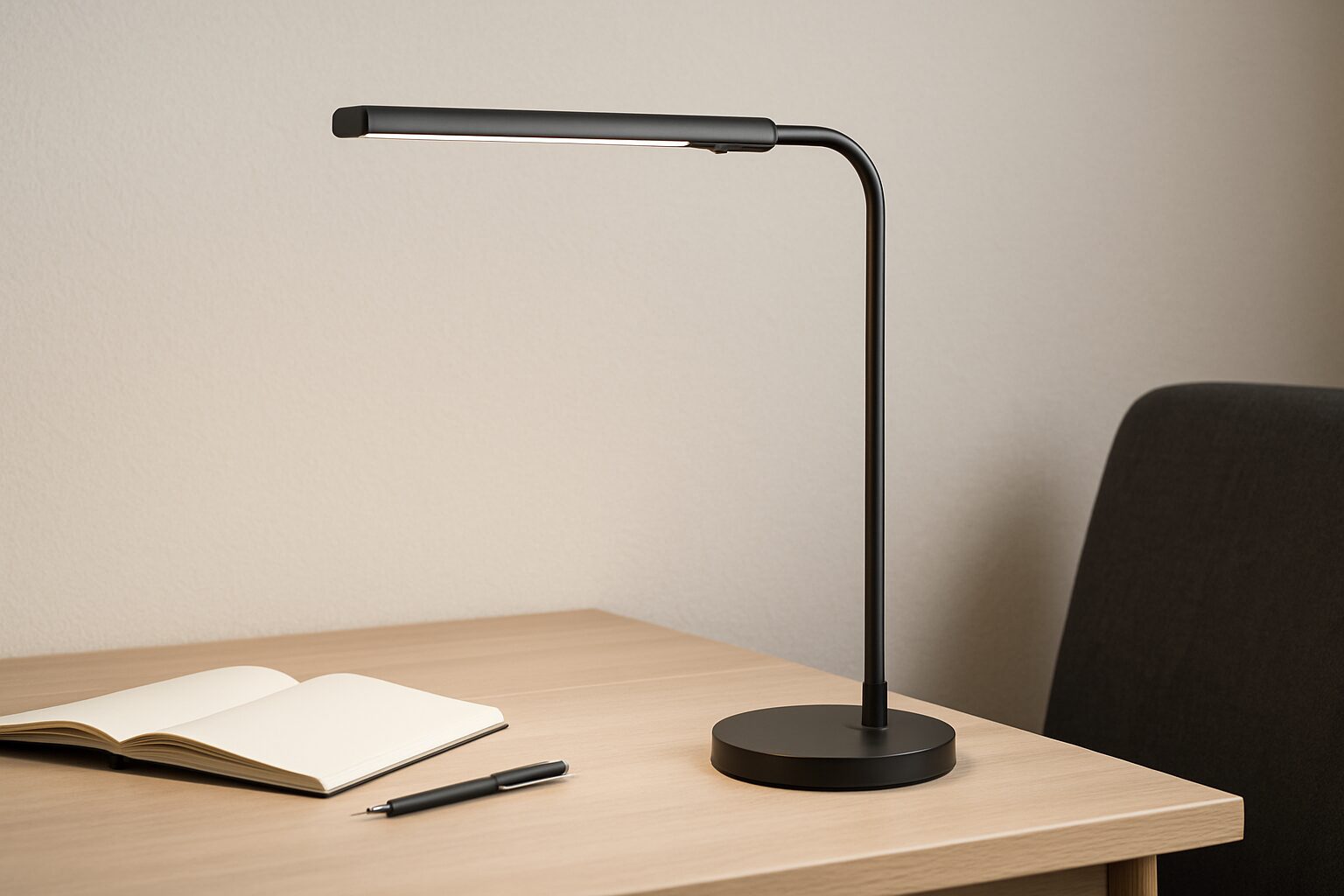
The stand type is the most common and can be placed anywhere, but it requires space on the desk.
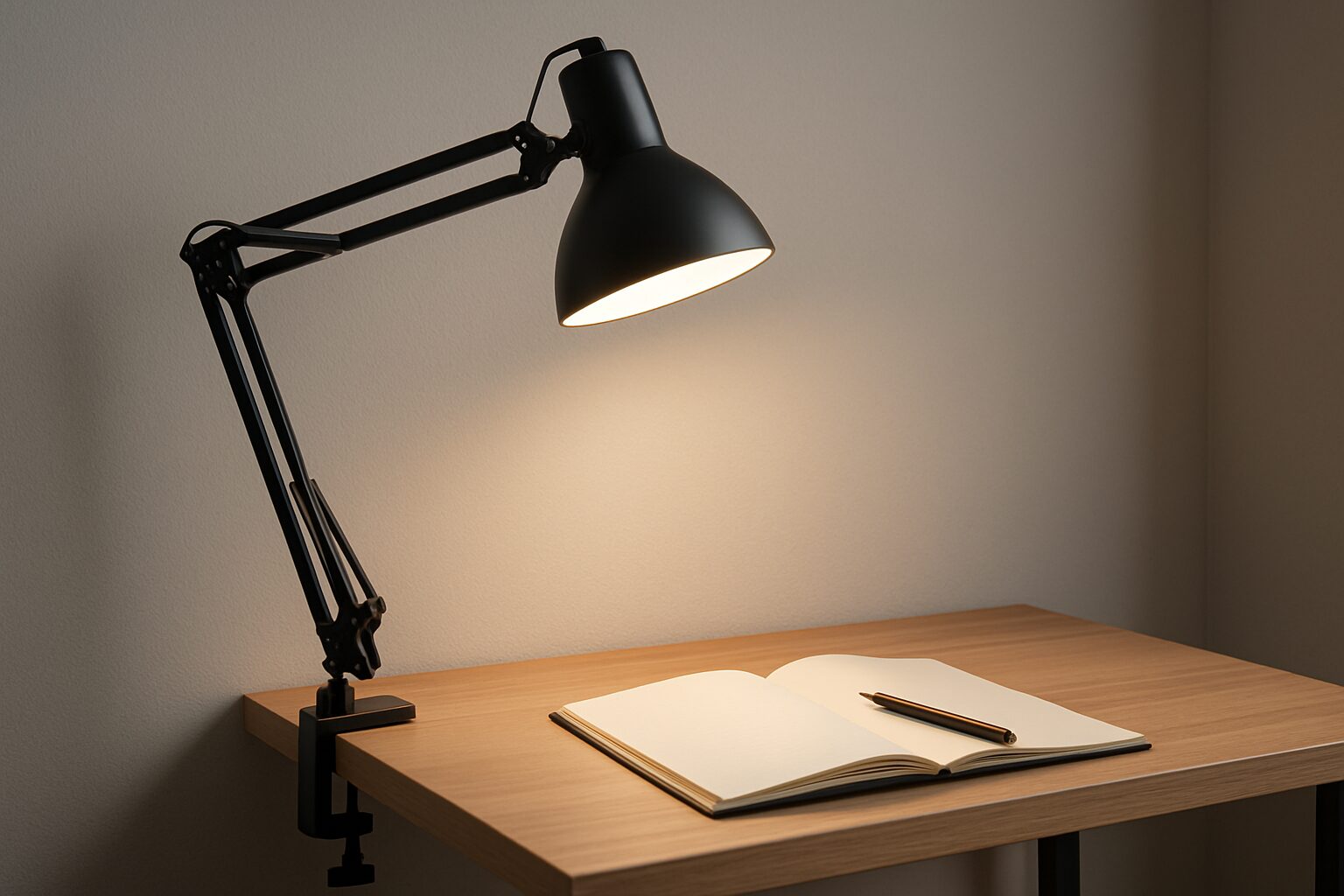
The clamp type fixes to the desk’s tabletop, allowing for effective use of space, but the thickness of the desk it can be installed on is limited.
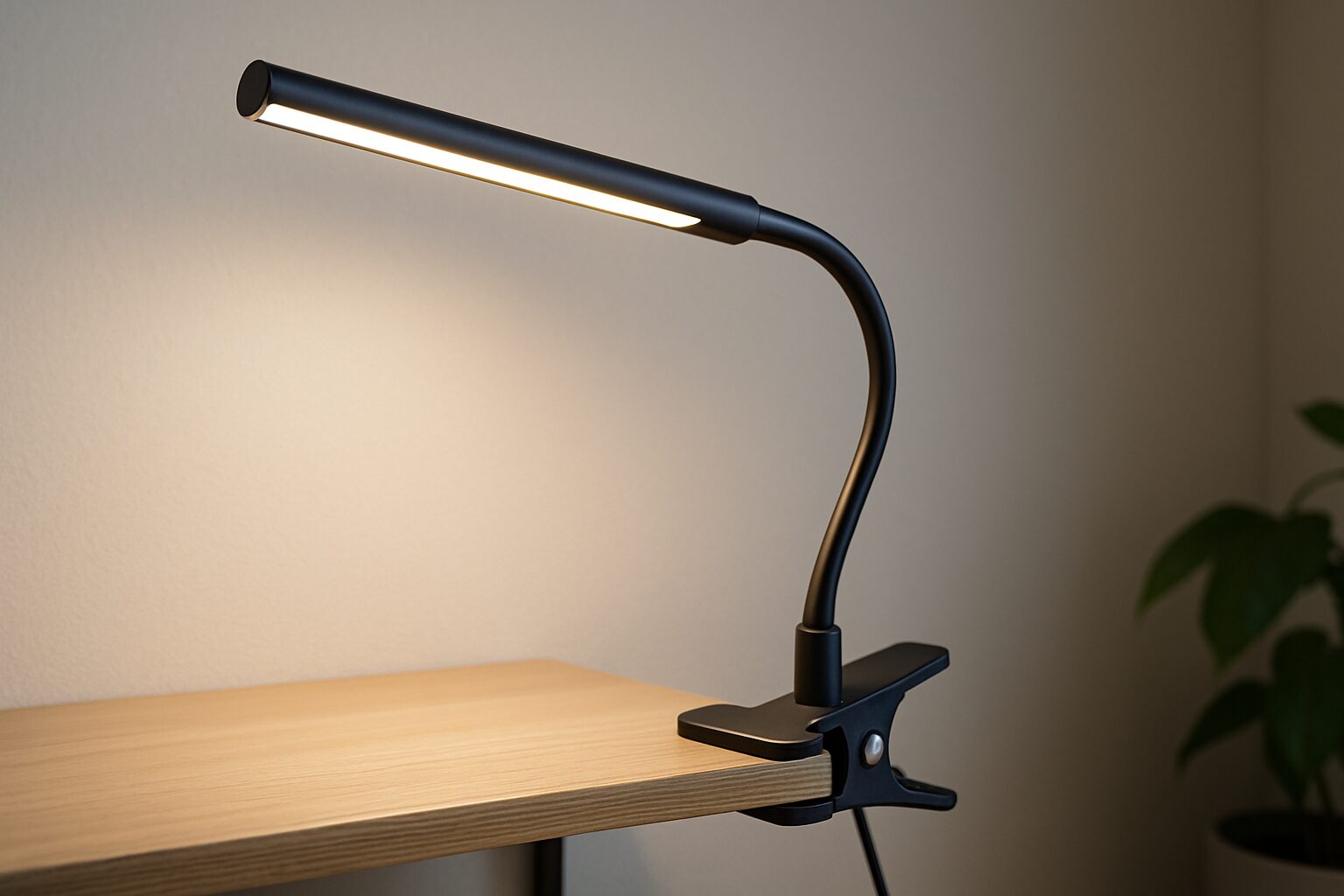
The clip type can be easily installed on shelves or bed frames, but its stability may be slightly inferior. Choose the optimal installation method and design based on your available space and usage. Choosing one with a wide range of arm motion is convenient because you can freely adjust the direction and height of the light.
Recommended Desk Lights by ApplicationThe most important thing in choosing a desk light is to select a product optimal for its intended “application.”
UsecaseRecommended Specs—
—
Check Point—
(function() {
// Nutrition data (Data Source): Single quotes limited
var deskData = {
study: {
t: “Learning: Light gentle on children’s eyes”,
d: “When used by growing children, the ability to illuminate textbooks and notebooks over a wide range and uniformly is important. Choose one with ‘multiple shadow countermeasures’ so shadows don’t easily form at hand.”,
s: [{l:”Brightness”,v:”500〜1000 lx”},{l:”Illumination Range”,v:”JIS AA-class equivalent”},{l:”Color Temp.”,v:”Neutral White / Cool White”},{l:”Color Rendering”,v:”Ra80 or higher”},{l:”Other”,v:”Prevention of multiple shadows/flicker”}],
a: “JIS AA-class can maintain uniform brightness in every corner even if a textbook is laid open, which can be expected to suppress a decline in eyesight.”,
c: “#3b82f6”
},
work: {
t: “Remote Work: Fatigue reduction and efficiency”,
d: “In PC work, reducing the difference between monitor glare and surrounding darkness leads to reduced eye fatigue. Ideally, set up to prevent reflections on the screen.”,
s: [{l:”Brightness”,v:”Around 500 lx”},{l:”Color Temp.”,v:”Around Neutral White (5000K)”},{l:”Color Rendering”,v:”Ra80 or higher”},{l:”Functions”,v:”Auto-dimming, USB port”},{l:”Other”,v:”Prevention of reflected glare”}],
a: “Monitor-mounted ‘Screen Bars’ are very popular for remote work because they don’t occupy desk space and prevent screen reflections.”,
c: “#6366f1”
},
read: {
t: “Reading: Light that doesn’t strain the eyes”,
d: “Light is needed that makes character outlines clear while suppressing reflections from white paper. Before bed, warm-toned light that doesn’t lower sleep quality is recommended.”,
s: [{l:”Brightness”,v:”300〜500 lx”},{l:”Color Temp.”,v:”Bulb Color / Neutral White”},{l:”Color Rendering”,v:”Ra80 or higher”},{l:”Other”,v:”Wide range of motion”}],
a: “For reading before bed, warm tones (bulb color) that help the brain relax are ideal. Choose a type that can be adjusted to your posture.”,
c: “#f59e0b”
},
other: {
t: “Others: Auxiliary, clips, etc.”,
d: “Besides permanent desks, there are types useful as auxiliary lighting. The trick is to check installation limits (tabletop thickness, etc.) beforehand.”,
s: [{l:”Clip Type”,v:”Space-saving, flexible setup”},{l:”Bedside”,v:”Small, with nightlight function”},{l:”Cordless”,v:”Rechargeable, serves as emergency light”},{l:”Value Add”,v:”Wireless charging, etc.”}],
a: “Clip types have an upper limit on the thickness they can clamp. For cordless types, always check continuous use time in the spec sheet.”,
c: “#64748b”
}
};
// Desk light application action
window.ltProtocolDesk = function(id) {
var d = deskData[id];
if (!d) return;
// 1. Tab update
var tabs = [‘study’, ‘work’, ‘read’, ‘other’];
for (var i = 0; i < tabs.length; i++) {
var b = document.getElementById('lt-tab-' + tabs[i]);
if (b) {
if (tabs[i] === id) b.classList.add('is-active');
else b.classList.remove('is-active');
}
}
// 2. Base data injection (textContent)
var panel = document.getElementById('lt-js-panel-desk');
document.getElementById('lt-js-desk-badge').style.backgroundColor = d.c;
document.getElementById('lt-js-desk-summary').style.color = d.c;
document.getElementById('lt-js-desk-title').textContent = d.t;
document.getElementById('lt-js-desk-desc').textContent = d.d;
document.getElementById('lt-js-desk-advice').textContent = d.a;
// Advice BOX coloring
var adviceWell = document.getElementById('lt-js-desk-advice-well');
adviceWell.style.backgroundColor = (id === 'other' ? '#64748b' : id === 'read' ? '#d97706' : '#1e293b');
// 3. Spec table generation (Surgical DOM generation)
var specWell = document.getElementById('lt-js-desk-spec-well');
specWell.textContent = ''; // Safe clear
for (var j = 0; j < d.s.length; j++) {
var row = document.createElement('div');
row.className = 'lt-spec-row';
var l = document.createElement('div');
l.className = 'lt-spec-label';
l.textContent = d.s[j].l;
var v = document.createElement('div');
v.className = 'lt-spec-val';
v.textContent = d.s[j].v;
row.appendChild(l);
row.appendChild(v);
specWell.appendChild(row);
}
// 4. Display toggle and animation
panel.style.display = 'block';
panel.classList.remove('lt-animate');
void panel.offsetWidth; // Force reflow
panel.classList.add('lt-animate');
};
// Initialization after survival check
setTimeout(function() {
ltProtocolDesk('study');
}, 150);
})();
Thank you for reading to the end!
The views expressed in this article are the independent opinions of this website.
Unless otherwise stated, product prices and information are current at the time of writing.
Please note that we cannot be held responsible for any errors or omissions. Thank you for your understanding.
All product and service names mentioned are trademarks of their respective companies.

 Ms.ガジェット
 Mr.ガジェット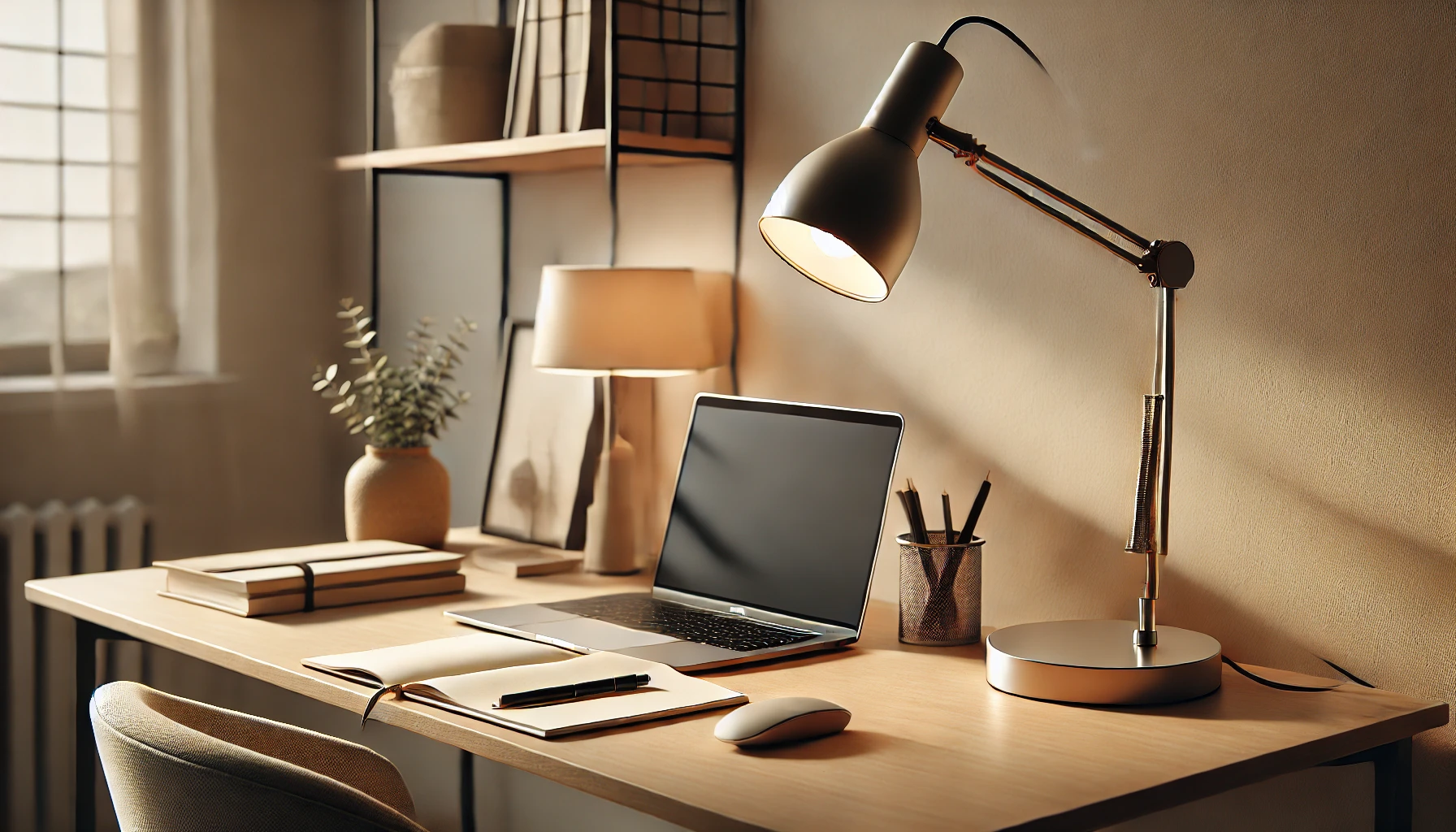
 Ms.ガジェット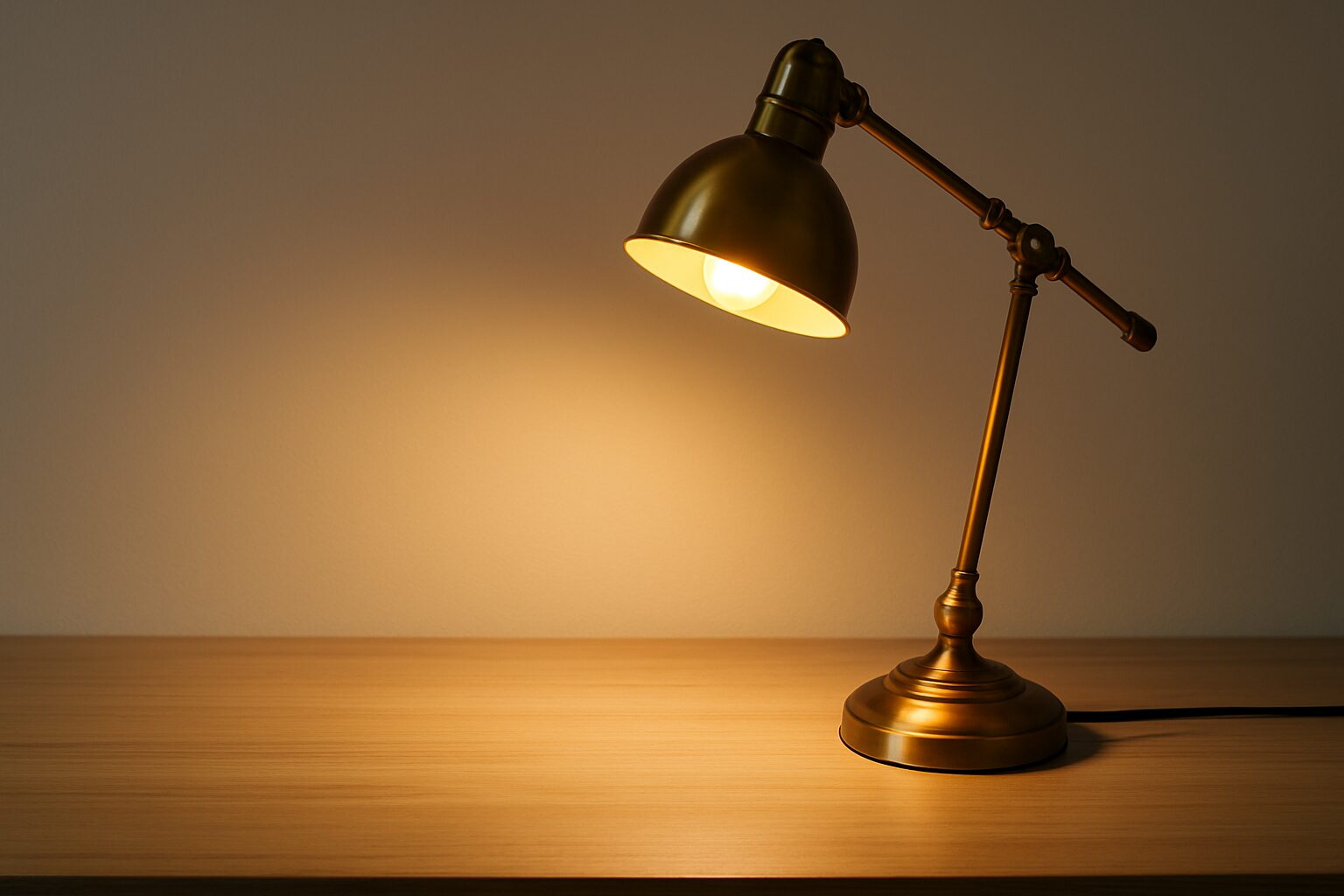
 Mr.ガジェット
 Mr.ガジェット
コメント